GUM TREATMENTS (PERIODONTOLOGY)

What is Gum Disease?
Gum disease is a condition in which gums become swollen, sore, or infected. It is a very common disease in adults.The easiest symptom for a patient to realize a gum disease is bleeding when they brush their teeth. Other common symptoms are;
A bad breath and bad taste (usually metallic taste)
Receding gums, Loose or drifting teeth
The early stage of gum disease is called gingivitis. If it is not treated the situation turns into periodontitis which affects the tissues supporting the teeth. If periodontitis is not treated, the situation gets worsened and the bone loss around the teeth increases leading to tooth loss.
The Reasons of Gum Disease
The primary reason for gum disease is plaque which is a stick substance and contains harmful bacteria. However, there are some other factors that cause gum diseases. These are;Hormonal Changes: Pregnancy, monthly menstruation, puberty, and menopause can cause swelling of the gums and related gum disease
Some Medication: Some drugs may badly affect the gums such as causing abnormal growth of the gums or decreasing the flow of saliva which is vital for oral health.
Genetic Factors
Systemic Diseases: Poorly controlled diabetes, cancer or HIV increases the risk of gum diseaseSmoking
How is Gum Disease Treated?
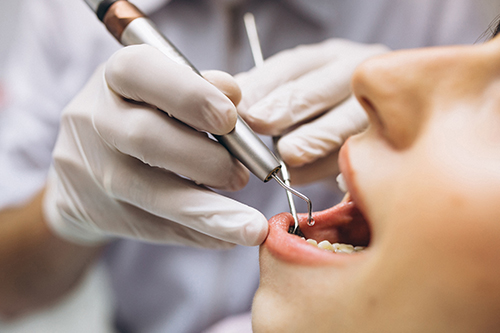
Maintaining good oral hygiene is the first step for the treatment of gum disease. This includes brushing the teeth twice a day regularly, using dental floss, and rinsing. Dental check-ups are also included in this step.During these regular dental check-ups, dentists remove the plaque. However, in severe cases, some medication or surgery needs to be carried out.
What is Gummy Smile?
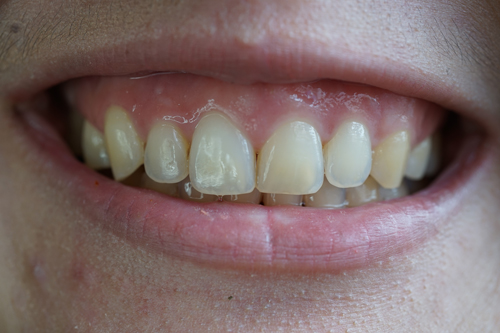
Gummy smile is a condition when too much gum tissue shows above the top teeth. This is an aesthetic problem and may cause some people to feel less self-confident.It is treated by a dentist or periodontist (gum disease specialist). The procedure is named gingivoplasty and performed under local anesthetic, therefore, making the treatment painless. During the gingivoplasty, the excessive part of the gum tissue is removed to shape the gums in relation to the size of teeth. Although there are various options for the treatment of gummy smile, lasers are the most popular ones as they do not cause bleeding and lessen the healing period thus increasing the patient comfort.
Sometimes the reason for gummy smile is strong smile muscles. In this condition, botox becomes the most preferable option as it is easy to apply and gives results shortly after the treatment. Injecting botulinum toxin to the smile muscles limits the movement of those muscles that pull the upper lip upwards excessively. The effect of this treatment lasts 6-9 months on average.